

Walk down any commercial stretch in Atlanta, from the boutiques in Virginia-Highland to the storefronts along Edgewood Avenue, and you will notice which businesses use their glass and which ones waste it. A storefront window is some of the most valuable advertising space a business owns, because it faces the sidewalk, it is already paid for, and it works around the clock. Window lettering and storefront vinyl are how you put that glass to work.
What We Mean by Window Lettering
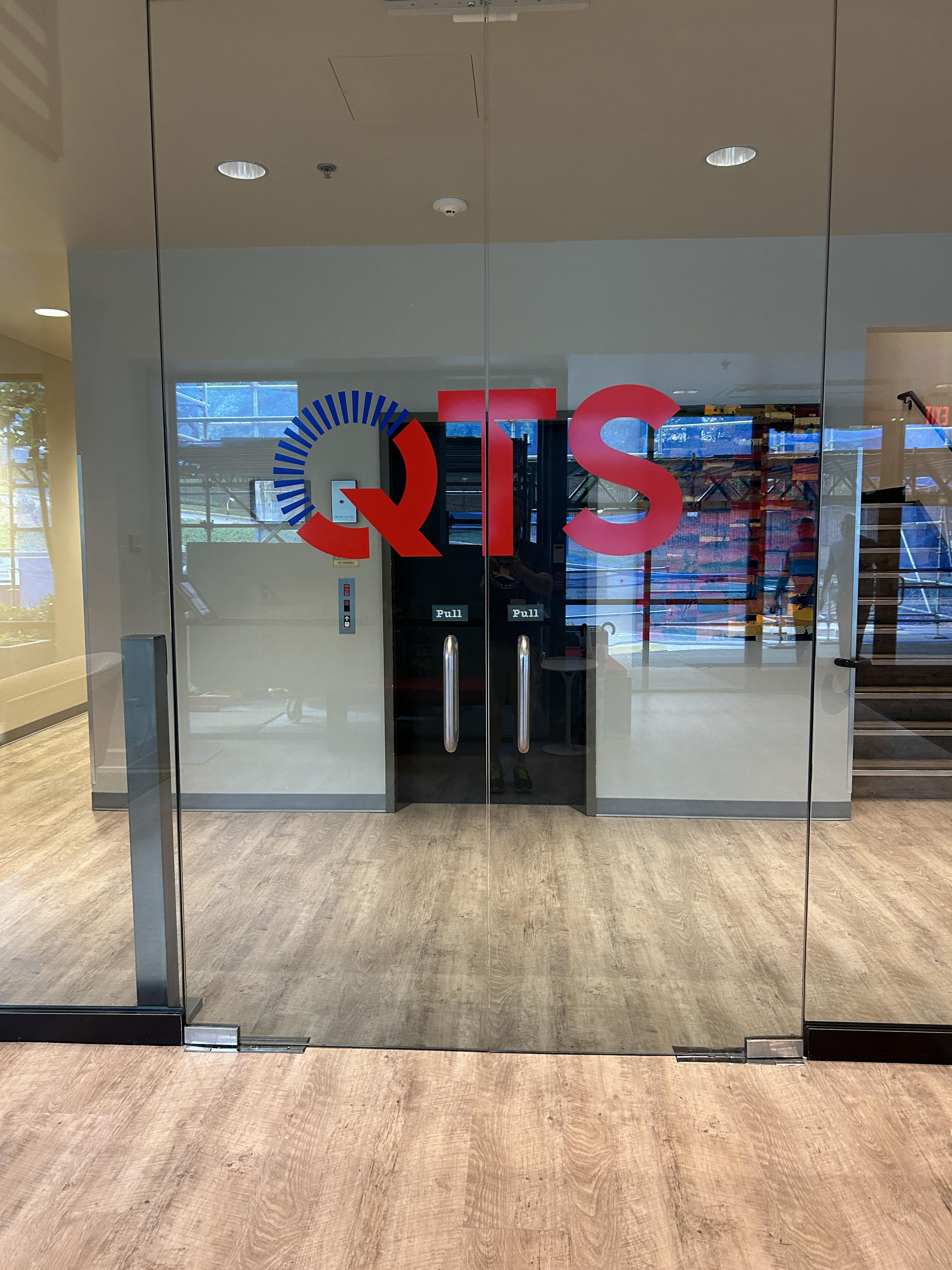
Window lettering is precision-cut adhesive vinyl applied directly to the glass, usually your logo, business name, hours, and a phone number or website. Unlike a printed film that covers the whole pane, cut lettering is just the shapes of the letters and graphics themselves, so the rest of the window stays clear. From the sidewalk it reads as clean, professional signage. From inside, it barely interrupts the view out.
This is the workhorse of storefront branding. It is the difference between a shop that looks open and established and one that looks like it is still moving in. For a new business signing a lease in Inman Park or West Midtown, lettering the front door and windows is often the single fastest thing that makes the space look legitimately open for business.
Hours and Contact Info: The Quiet Workhorse
The most practical use of window vinyl is also the most overlooked. Posting your hours on the door in clean, permanent lettering answers the question every passerby silently asks, which is "are they open, and when can I come back?" A handwritten sign taped inside the glass answers that question too, but it tells customers something else about how the business is run.
We cut hours and contact details so they sit at eye level, read clearly in daylight, and match the rest of your branding. It is a small touch that signals the business pays attention to details, which is exactly the impression a customer forms before they have bought anything.
Promotions You Can Change With the Season
Glass is also the right place for messages that change. A seasonal promotion, a new menu item, a grand-opening announcement, or a "now hiring" call can live on the window as vinyl and come off cleanly when the moment passes. For restaurants and shops near foot-traffic magnets like Krog Street Market or the Atlanta Beltline, that rotating message is a way to catch the eye of people who walk past every day and have started to tune out the permanent signage.
We can produce these as cut vinyl for simple text or as printed graphics when a promotion needs photos, color, or a more designed look. Either way, the point is the same: the message is timely, it faces the street, and it changes when you need it to.
Logo on the Door Versus Coverage on the Glass
One decision worth thinking through is how much glass to cover. A logo and hours on the door is understated and keeps the storefront feeling open and bright. Larger graphics across the windows make a bolder statement and can define a brand's whole frontage, but they also reduce the view in and the light coming through. There is no single right answer. A jewelry shop in Buckhead may want maximum transparency and just a discreet logo, while a fitness studio might want big, energetic graphics filling the glass.
If privacy is part of the goal, that is a different product conversation. Frosted and decorative films exist specifically to obscure a view while still letting light through, and we have written about those separately. For pure branding on otherwise clear glass, cut lettering and selective printed graphics are usually the right call.
Why Material and Application Matter
Storefront vinyl lives a hard life in Atlanta. It faces direct afternoon sun, summer heat that turns a south-facing window into an oven, and the occasional pressure-washing when the sidewalk gets cleaned. Quality exterior-grade vinyl is built for that exposure, holding its color and its grip far better than the inexpensive craft vinyl sold for indoor projects.
Application matters just as much as material. Lettering applied with trapped air bubbles, crooked spacing, or lifting edges undercuts the very professionalism it is meant to project. Clean application on properly prepped glass is what makes the difference between signage that looks sharp for years and a decal that starts peeling at the corner by the next season. This is craft work, and it shows.
Inside Glass or Outside Glass
Lettering can be applied to the inside face of the glass, reading correctly to people outside, or to the outside face. Interior application protects the vinyl from weather and tampering and is common for storefronts, while exterior application can be the right choice for thick or coated glass. We help you choose based on your specific windows, because the wrong choice can mean a graphic that looks great for a season and then struggles.
The Practical Takeaways
Your storefront glass is advertising space you are already renting, so use it. At minimum, put your logo, hours, and a way to reach you on the door in clean, professional lettering. Add rotating vinyl for seasonal promotions when you have something timely to say. Decide deliberately how much glass to cover based on whether you want an open, bright frontage or a bold, branded one. And insist on exterior-grade material and careful application, because on a storefront, sloppy vinyl says more than the words on it.
Our team produces storefront lettering and window graphics for businesses across metro Atlanta. If you have glass facing a sidewalk, we can help you turn it into signage that works every hour you are open and every hour you are not.
Ready to Get Started?
Contact Extreme Color today for vehicle wraps, signs, banners, and more.
Get a Free Quote