

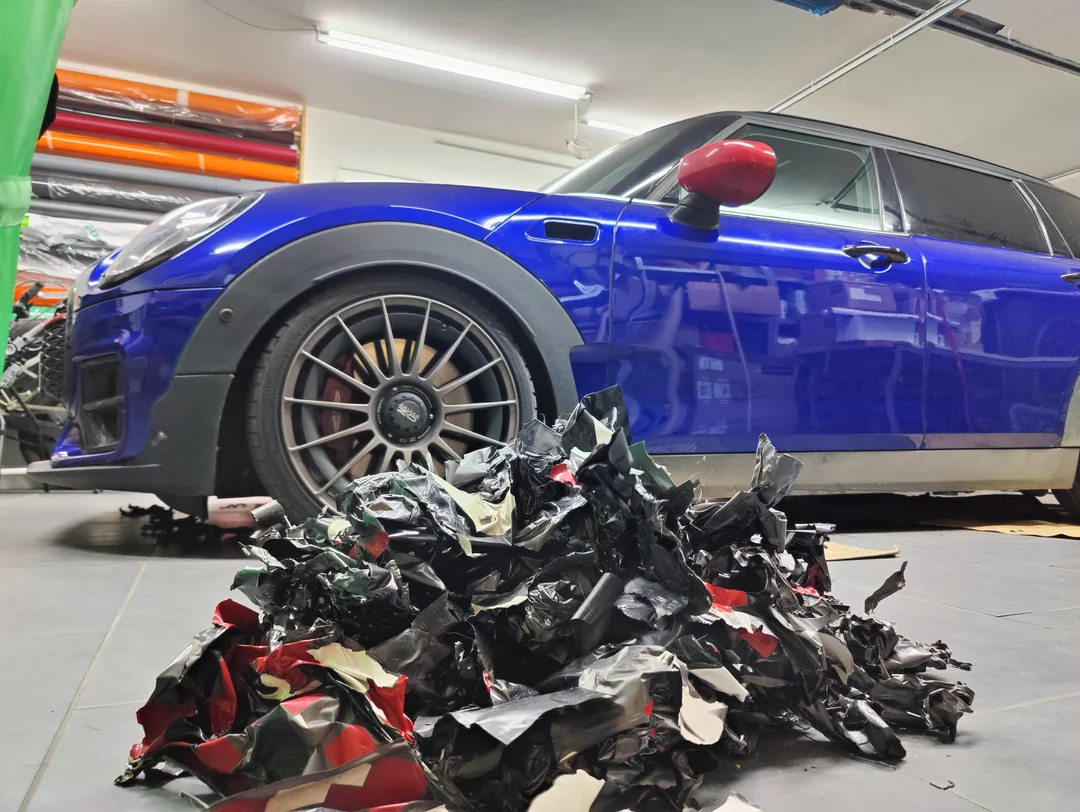
Every Wrap Has a Retirement Date
Nobody orders a vehicle wrap thinking about the day it comes off. But every wrap has a service life, and what happens at the end of that life matters just as much as the install. Done right, removal leaves clean factory paint ready for the next wrap. Done wrong, it leaves adhesive residue, clear coat damage, and a repair bill that erases years of marketing value.
We see the aftermath of bad removals all the time in our Atlanta shop. A box truck scraped with razor blades. A sedan where someone yanked cold vinyl and pulled paint with it. This post covers when to remove a wrap, how professional removal actually works, and why the Georgia sun makes timing more important here than in most markets.
How to Know When a Wrap Is Done
Vinyl does not fail all at once. It fades gradually, and because you see your vehicle every day, you often will not notice until you park next to a freshly wrapped truck and the difference is obvious.
Watch for a few clear signals. Colors that have gone chalky or shifted, especially reds and yellows, which take the worst beating from UV exposure. Edges lifting around door handles, mirrors, and body seams. Cracking on horizontal surfaces like the hood and roof, which catch the most direct sun. And any bubbling or wrinkling that was not there after install.
Atlanta is hard on wraps. Long summers, strong UV, and vehicles that sit in open parking lots along the Connector or in office parks off I-285 all accelerate aging. A wrap that spends its nights in a garage in Decatur will outlast the same wrap parked on an open lot in full sun. Horizontal surfaces age first, so check your hood and roof before anything else.
The Other Reasons Wraps Come Off Early
Plenty of wraps come off before the vinyl fails. A rebrand is the most common reason. If your company changed its name, logo, or phone number, a faded old brand driving around Buckhead is working against you, not for you.
Lease returns are another big one. Wraps on leased vehicles have to come off before the vehicle goes back, and the paint underneath needs to be in return condition. That is exactly why removability matters when the wrap is first installed. Quality vinyl applied to healthy factory paint is designed to come off clean.
Selling a vehicle works the same way. A truck with your old branding on it is worth less to a buyer than the same truck with clean paint. Removing the wrap before sale usually pays for itself.
What Professional Removal Actually Looks Like
Wrap removal is a heat-and-patience job. Vinyl adhesive is designed to release when warmed, so the process is methodical: warm a section of the film, lift an edge, and pull back at a low, consistent angle so the vinyl comes off in large pieces and takes its adhesive with it.
Temperature is everything. Cold vinyl gets brittle and snaps into small chips that each have to be lifted individually. Overheated vinyl stretches, tears, and separates from its adhesive, leaving a layer of glue smeared across the panel. The goal is a middle zone where the film stays strong and the adhesive lets go.
Whatever adhesive stays behind gets dissolved with removers made for automotive paint, then the vehicle is washed and inspected panel by panel. What you should end up with is the same paint that went under the wrap, which vinyl actually protects from sun and small road rash while it is on.
Why DIY Removal Goes Wrong
The mistakes we get called to fix usually come from three tools: razor blades, aggressive solvents, and impatience. Blades scratch clear coat. Harsh chemicals can dull or stain paint. And pulling cold vinyl fast, straight up instead of back at an angle, is how paint failure happens, especially on vehicles that have been repainted, since aftermarket paint does not bond as strongly as factory finish.
That last point deserves its own warning. If a panel has been repainted after body work, the wrap can bond to that paint more strongly than the paint bonds to the panel. A professional shop checks for respray before pulling, and works those areas differently. If you know your vehicle has had body work, say so up front. It changes the approach.
Old Wrap Off, New Wrap On
If you are removing a wrap because you are rebranding, plan the removal and the new install as one project. The surface prep that follows removal, cleaning off every trace of adhesive and letting solvents fully flash off, is the foundation of the next wrap. A new wrap laid over residue or a rushed prep job will show every flaw and fail early at the edges.
Never wrap over an old wrap. Stacked vinyl adds thickness at every edge and seam, traps the old film's problems underneath, and makes the eventual removal twice the job. Strip it, prep it, wrap it. That order does not change.
The Takeaway
Check your hood and roof twice a year for fading, cracking, and lifting edges, because Atlanta sun ages horizontal surfaces first. Remove a wrap when the brand is outdated, the lease is ending, or the vinyl shows real failure, not just dirt a good wash would fix. Have removal done with heat and patience, never blades. And if a rebrand is the reason, book the removal and the new wrap together so the vehicle is off the road once instead of twice.
Our team handles wrap removal, prep, and rewrap for businesses across metro Atlanta, from single vehicles to full fleets. If your wrap is showing its age or your brand has moved on, we can look at the vehicle and tell you exactly what removal will involve.
Ready to Get Started?
Contact Extreme Color today for vehicle wraps, signs, banners, and more.
Get a Free Quote