

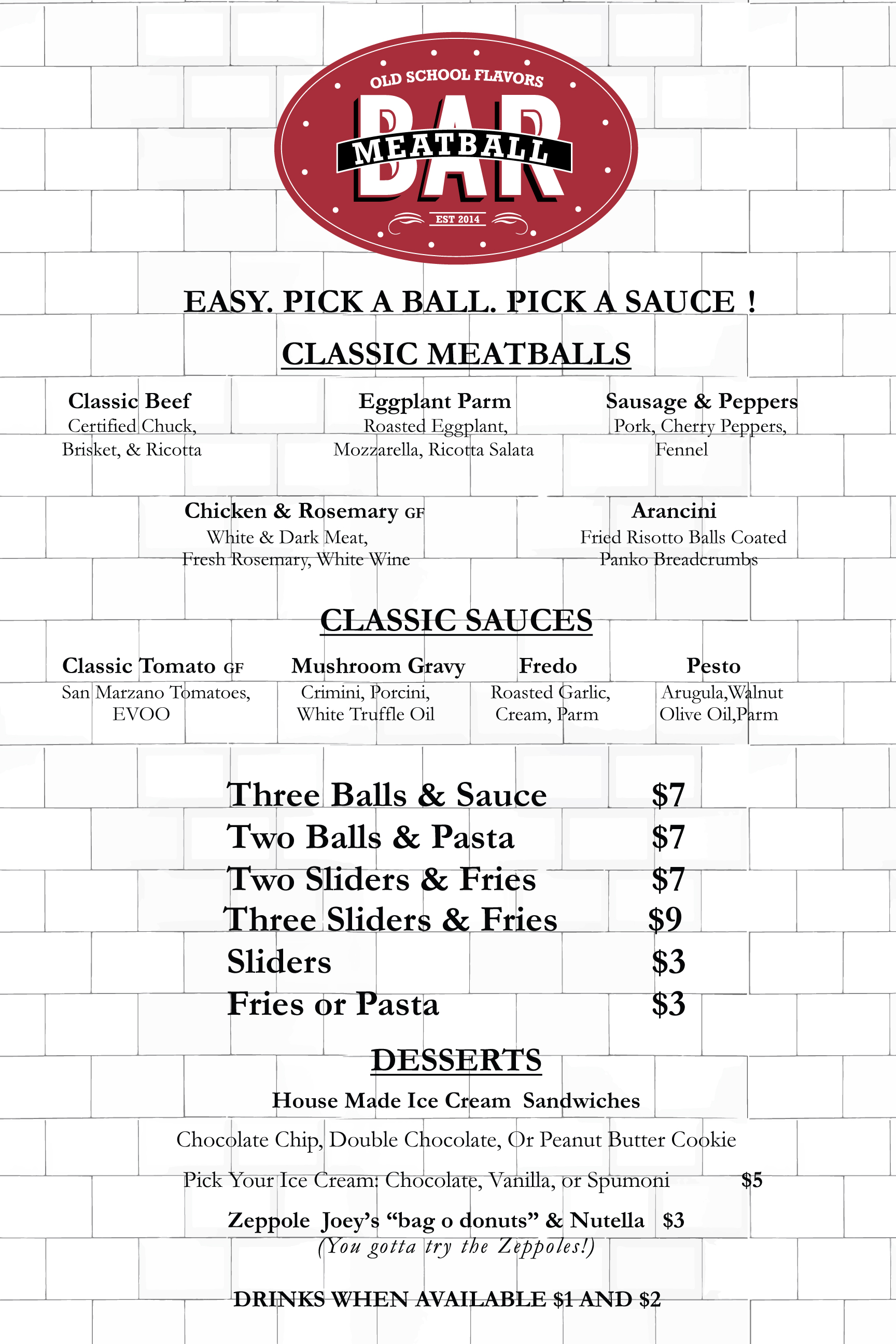
The First Thing a Customer Reads
Walk into a counter-service restaurant anywhere in Atlanta — a taco shop on Buford Highway, a fast-casual spot in Ponce City Market, a coffee bar in Old Fourth Ward — and the first thing you do is look up at the menu. You're not consciously evaluating the design. You're trying to figure out what to order. But every choice the restaurant has made about that menu board is shaping how easily you can do that, how the food sounds in your head, and how confident you feel about your order before you even hit the register.
That's a lot of work for a printed panel to do. We produce menu boards and interior graphics for restaurants across metro Atlanta, and the boards that work are the ones designed for reading first and decoration second.
Why Printed Menu Boards Still Win
Digital menu screens have their place, but a lot of Atlanta's best restaurants still run printed menu boards, and they do it on purpose. A printed board has higher contrast in daylight. It reads cleanly from across the room. It doesn't reboot, pixelate, or flicker. It costs nothing to operate. And it can be designed to feel like part of the architecture rather than a tech install bolted to the wall.
For restaurants where the menu is stable — the core offerings don't change weekly — printed boards make sense. For restaurants where the menu changes constantly, hybrid systems work well: printed boards for the standing menu, smaller framed inserts or chalk panels for the daily specials.
Sizing and Reading Distance
The most common menu board mistake is type that's too small. We design menu type for the actual reading distance from the front of the line, not from arm's length where the designer is laying it out on a screen. A customer standing fifteen feet back from the counter can comfortably read entrée names at a certain point size and not below it. Prices, modifiers, and descriptions step down from there.
The hierarchy matters as much as the size. Category headers — TACOS, BOWLS, DRINKS — anchor the eye. Item names sit one level below. Prices align in a clean vertical line. Descriptions go in lighter weight, smaller type. The customer's eye should be able to scan categories, land on a section, and read items without doing any work. If the menu is making the customer work, the line slows down, the staff repeats the same questions all shift, and the experience starts to grind.
Materials That Hold Up in a Hospitality Environment
Restaurant interiors are tough on graphics. Steam, grease, cleaning chemicals, occasional contact with carts and equipment. We print menu boards on substrates built for that environment — typically rigid PVC, aluminum composite, or laminated print mounted to a sub-panel. Laminate protects the print surface from cleaning and from kitchen exhaust over time.
For boards installed near the grill line or in steam-heavy areas, we use heat-stable substrates that don't warp. For boards in lower-traffic dining rooms, lighter mounts work fine. We always ask where the board is going before we spec the materials, because a finished panel that warps in month four is a problem we'd rather solve at the design stage.
Brand Identity in the Print
The menu board is where the restaurant's brand voice gets its loudest expression. Type choices, color, the way menu items are described — these decisions either reinforce the brand or quietly contradict it. A scratch-Italian spot in Decatur and a high-volume fast-casual chain on the Westside both serve food, but their menu boards should not look the same.
We work with the restaurant's existing brand assets — or, if there aren't any, with the chef and operator to develop a visual language that fits the food. Hand-lettered type for a casual neighborhood spot. Clean grotesque type for a modern restaurant. Heritage serif type for an old-school steakhouse. The menu board carries the brand the way the plate carries the food.
Interior Graphics Beyond the Menu
Menu boards are the headline, but they're not the only print in a restaurant. We produce interior signage that does a lot of supporting work: wall murals, framed historical photos for heritage spots, branded wall vinyls in the bar area, wayfinding to the restrooms, point-of-sale graphics at the register, table tents, take-out bag stickers. None of these are dramatic on their own. Together, they shape how the restaurant feels.
The bigger pieces — full-wall murals, large-format brand graphics — work especially well in restaurants with hard architectural shells (warehouse spaces, converted retail, the kind of bare-brick build-outs that dominate the BeltLine corridor). A large mural softens the room, adds color, and gives Instagrammable customers a backdrop without the restaurant having to invent a gimmick.
Update Strategy: How to Change Without Reprinting Everything
Restaurant menus change. Prices go up. Items get cut. Seasonal additions come and go. The smart move is designing the boards so the parts that change can be updated without reprinting the entire panel.
We design menu boards in modular sections — a top header that almost never changes, category panels that rarely change, item rows that occasionally change, and a price column that's the most volatile. The price column often becomes its own swappable strip, magnetic or slot-mounted, so a price update is a five-minute job instead of a print order. For restaurants doing seasonal menus, we'll print the seasonal section as a separate insert that swaps out four times a year while the core menu stays put.
Installation and the Reality of an Operating Restaurant
Installing menu boards in a working restaurant is a logistics problem. The grill is on. The cooler is full. The staff is prepping for service. We install before opening, after closing, or during slow hours, and we coordinate with the kitchen manager so the install crew isn't in the way of a lunch rush.
Practical Takeaways
Design menu boards for the actual reading distance from the front of the line. Build a clear visual hierarchy — categories, items, prices, descriptions — so customers can scan without effort. Use materials that survive a hospitality environment. Let the menu board carry the restaurant's brand voice instead of fighting it. Design for updates so price and seasonal changes don't trigger a full reprint. And plan installation around the restaurant's operating reality. Print done this way reads as part of the restaurant. Print done wrong reads as a sign on a wall.
Ready to Get Started?
Contact Extreme Color today for vehicle wraps, signs, banners, and more.
Get a Free Quote