

Why Pop-Ups Live or Die on Their Visual Footprint
A pop-up activation has one job: stop people in their tracks. Whether it's a brand taking over a corner of Ponce City Market for a weekend, a beverage company setting up at a Krog Street festival, or a startup throwing a launch party in the Old Fourth Ward, the activation is competing for attention against everything around it. The graphics are what do the heavy lifting.
We see this every season working with Atlanta agencies and in-house marketing teams. The brands that nail their activations don't treat print as decoration — they treat it as the structure that defines the experience. The ones that fall flat usually skimped on either the scale of the graphics or the surfaces they used.
The Three Layers of a Strong Activation
Most successful pop-ups we work on are built around three layers of large format print: the perimeter, the focal point, and the floor.
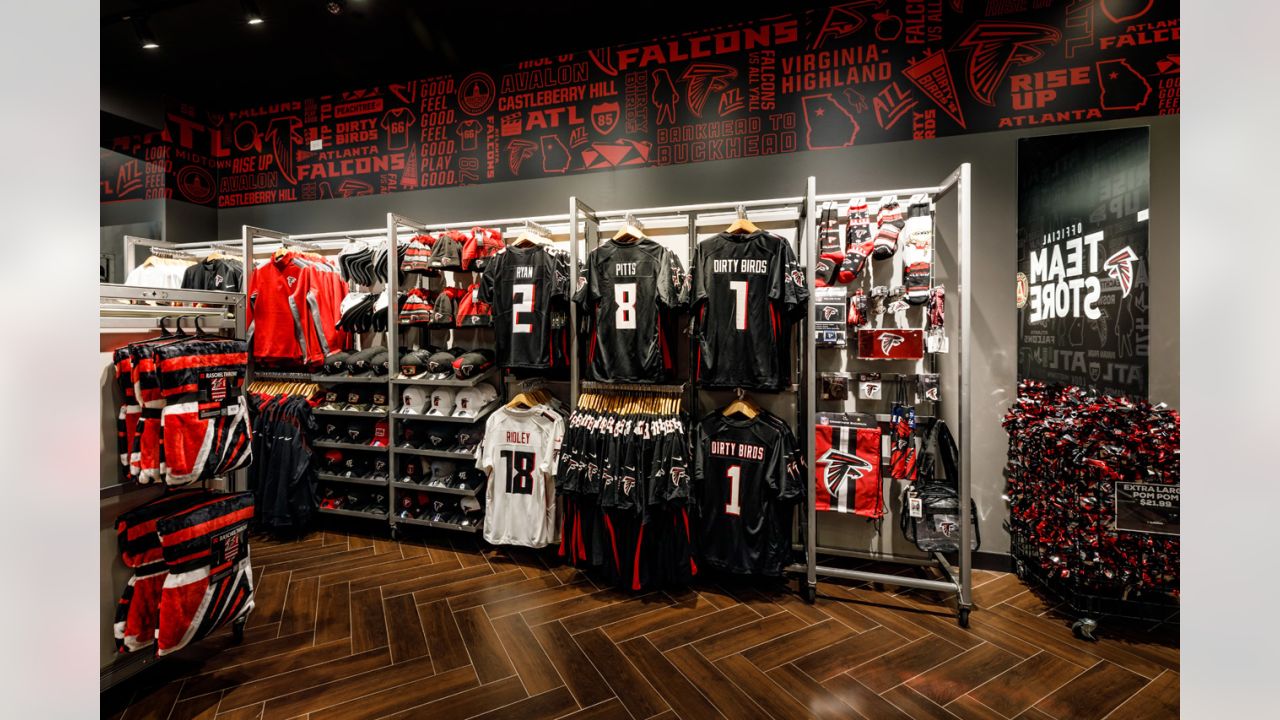
The perimeter is what people see from a distance. This is your fabric tension wall, your branded fencing scrim, your hung mesh banners — the stuff that announces "something is happening here" before someone knows what your brand is. It needs to read at 50 feet, not five.
The focal point is the photo moment. Step-and-repeat backdrops, oversized brand sculptures wrapped in vinyl, custom-cut SEG fabric pieces. This is what ends up on Instagram, and that's the metric most marketing managers actually care about. If the photo moment is forgettable, your reach is going to be too.
The floor is the layer most teams forget. Vinyl floor graphics turn a generic concrete pad into your activation footprint. They direct foot traffic, mark queue lines, brand the space, and crucially — they look great in overhead drone footage that's become standard for activation recap videos.
Materials That Hold Up to Atlanta Weather
Atlanta's climate doesn't make event graphics easy. Spring and fall are humid. Summer can deliver an afternoon thunderstorm out of nowhere. Outdoor activations along the BeltLine or in Piedmont Park need print that won't wilt, fade, or peel between Friday setup and Sunday teardown.
For perimeter banners, we typically print on heavy vinyl or mesh depending on wind exposure. Mesh lets wind pass through, which matters when you're hanging a 20-foot banner between two posts in an open lawn. Solid vinyl looks cleaner but needs proper rigging and venting, especially in the gusty conditions you get on top of a parking deck activation.
For flooring, we use textured laminate over the print. Sharp dress shoes, strollers, and beverage spills will all hit your floor graphics over a weekend. The right laminate keeps the print readable on Sunday afternoon even after Friday's setup crew tracked through it in muddy boots.
Coordinating Print With the Build
The biggest mistake we see — and we see it constantly — is graphics getting ordered after the build is finalized. By then, panel sizes are locked, the experiential designer has committed to specific finishes, and everything has to be retrofitted to surfaces that weren't designed for print.
Our advice for any Atlanta agency planning an activation: bring print in during the design phase, not after. Talk through panel dimensions, attachment methods, removability, and lighting before the build is committed. A four-by-eight panel is cheap and standard. A four-by-seven-three panel because someone didn't measure right is expensive and slow.
Reusable Components for Repeat Activations
For brands running multiple activations across the year — a beverage company doing the festival circuit, a fashion brand hitting fashion weeks, a fitness brand at race events — we're seeing more demand for modular, reusable graphics. SEG fabric panels with replaceable graphics, magnetic vinyl wraps for portable structures, swap-out floor decals.
The math here is simple. If you're doing four activations a year with the same footprint, paying once for the structure and four times for swappable graphics is dramatically cheaper than printing fresh hard panels every time. We help Atlanta brands plan this from the start so the second, third, and fourth events are faster and cheaper than the first.
Quick Takeaways
If you're planning an activation in Atlanta this season, a few practical notes from our shop. Build your graphics around three layers — perimeter, focal point, and floor. Don't skip any of them. If your budget is tight, scale down all three rather than dropping one entirely.
Pick your materials based on the actual weather conditions you'll face, not just the forecast. Outdoor Atlanta in summer is different from outdoor Atlanta in October. The right print substrate is the difference between great photos and a soggy mess.
Get print involved during design, not after. The cost of changing a panel size at the design stage is zero. The cost of reprinting because nothing fits is significant.
Plan for reuse if you're going to do this more than once. Modular systems pay for themselves quickly when the same brand needs to show up at three or four events a year.
Pop-up activations are about creating a moment. Print is what gives that moment its shape. Get it right and people walk away remembering your brand. Get it wrong and you've thrown a party nobody talks about on Monday.
Ready to Get Started?
Contact Extreme Color today for vehicle wraps, signs, banners, and more.
Get a Free Quote