

A Job Site Without Signage Is a Missed Opportunity
Drive through any active construction corridor in metro Atlanta — the ongoing development along the I-75 corridor through Cobb County, the mixed-use projects rising in Midtown, the residential builds spreading through Cherokee and Forsyth counties — and you'll see signage everywhere. Coming soon signs, contractor identification boards, safety notices, leasing information, and branded barricade graphics. The sites that look professional and organized have one thing in common: their signage game is tight.
Construction signage serves two essential purposes. First, it's often required — by municipalities, by OSHA, by the general contractor's own safety standards. Second, it's marketing. Every job site is a public billboard for every company working on it. The quality of your signage tells passersby, potential clients, and other contractors exactly how seriously you take your work.
The Signage Every Job Site Needs
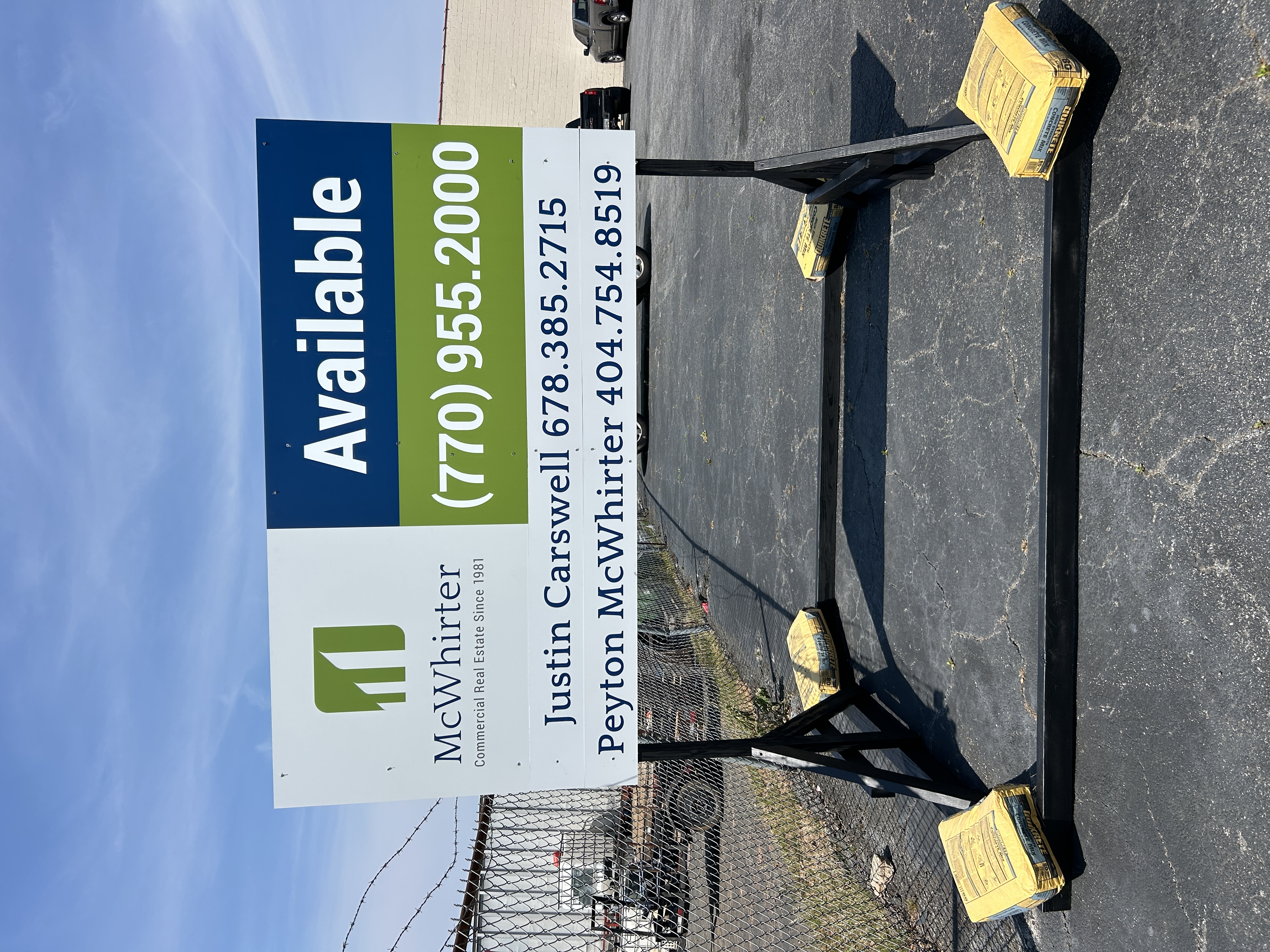
At minimum, most construction projects in the Atlanta metro area need several categories of signage. Project identification signs announce what's being built and who's building it. These are typically large-format signs on rigid substrates — aluminum composite panels, plywood with direct UV printing, or HDU (high-density urethane) for more permanent applications. They face the street, they're visible from a distance, and they carry the project name, the developer or builder's branding, and contact information.
Contractor identification boards list the key firms working on the project. The general contractor, major subcontractors, architect, and engineer all get representation. These boards are usually printed on rigid substrates and posted at the site entrance. For subcontractors, getting your name on the project board is visibility you can't buy anywhere else — every person who drives past the site sees your company associated with a real, tangible project.
Safety and compliance signage is non-negotiable. Hard hat areas, PPE requirements, emergency contact information, permit displays, and hazard warnings all need to be posted prominently. These signs need to be durable enough to survive the construction environment — weather, dust, vibration, and the general chaos of an active site. Cheap signs that fade, peel, or blow away create compliance gaps and look unprofessional.
Coming Soon and Leasing Signs
For commercial and mixed-use developments, "Coming Soon" signage goes up long before construction starts and stays visible throughout the build process. These signs serve a dual purpose: they build awareness for the project in the surrounding community, and they drive leasing or sales inquiries during the construction phase when interest is highest.
A well-designed coming soon sign does more than announce the project — it sells it. Architectural renderings, key amenities, timeline information, and leasing contact details should all be visible from the road. For developments on high-traffic corridors like Roswell Road, Peachtree Industrial Boulevard, or Highway 41 through Kennesaw, that sign is getting thousands of daily impressions from potential tenants, buyers, and investors.
The materials matter because these signs need to last through the entire construction timeline, which in Atlanta's current market can mean a year or more. UV-printed rigid substrates handle the weather well. Vinyl banners work for temporary installations but may need replacement if the project runs long. For high-end developments, dimensional lettering or illuminated signs make a stronger impression but require more planning and infrastructure.
Barricade Graphics: Turning Construction Into Marketing
Construction barricades and fencing are necessary eyesores — unless you turn them into marketing surfaces. Barricade graphics transform the plywood or mesh barriers around a construction site into large-format brand displays. Printed vinyl wraps applied to barricade panels can showcase the finished project through renderings, promote the businesses that will occupy the space, or simply present the developer's brand in a clean, professional way.
This is especially effective in pedestrian-heavy areas. A barricade wall along the BeltLine, around a project in Ponce City Market, or on a sidewalk in Virginia-Highland is getting constant foot traffic from exactly the demographic that developers want to reach. Dirty plywood sends a message of disruption. Branded barricade graphics send a message of progress and professionalism.
Mesh banner wraps on chain-link fencing serve a similar purpose for sites where plywood barricades aren't practical. The mesh allows wind to pass through while still presenting a clean, branded face to the street. These are commonly used on larger sites where the fencing perimeter is extensive and solid barricades would create wind-load concerns.
Materials for the Construction Environment
Job site signage takes more abuse than almost any other type of commercial signage. It's outside 24/7, exposed to Georgia's full range of weather — scorching summer heat, driving rain, occasional ice, and the red clay dust that coats everything on an active site. Materials that work fine in a retail environment may fail quickly on a construction site.
For rigid signs, aluminum composite material is the gold standard. It's lightweight, weather-resistant, and holds printed graphics well. It won't warp in the heat or rot in the rain. Sintra (expanded PVC) is a good mid-range option — lighter and less expensive than ACM, with solid weather resistance for signs that need to last one to two years.
Coroplast (corrugated plastic) works for temporary signage — directional signs, temporary safety notices, and short-term promotional signs. It's inexpensive and easy to replace, which makes sense for signs that get damaged or need updating frequently during the construction process.
For banners, 13 oz. scrim vinyl with hem and grommet finishing is the standard construction-grade banner material. It handles wind, rain, and sun, and it's affordable enough that replacing a weathered banner after several months isn't a budget concern. Mesh banners are the better choice for high-wind locations — they let air pass through rather than catching it like a sail.
UV Flatbed Printing: Direct to Substrate
One of the advantages of working with a large format printer that has UV flatbed printing capability is the ability to print directly onto rigid substrates. Rather than printing on vinyl and then mounting it to a sign panel, UV flatbed printing puts the image directly onto the plywood, ACM, Sintra, or Coroplast surface. The UV ink cures instantly under UV light, creating a scratch-resistant, weather-resistant image that's bonded to the material itself.
For construction signage, this matters because it eliminates the vinyl layer that can peel, lift, or trap moisture in outdoor conditions. A UV-printed sign on ACM or marine-grade plywood is essentially a self-contained, maintenance-free graphic. It's one piece with no edges to lift and no adhesive to fail. For signs that need to look sharp through an 18-month construction timeline, that durability makes a real difference.
Planning Your Site Signage Package
The best approach to construction signage is treating it as a package rather than ordering individual signs as needs come up. Before the site opens, map out everything you'll need: project identification, contractor boards, safety and compliance signage, directional signs for traffic and deliveries, coming soon or leasing signs, and barricade graphics. Order it all at once and you'll get better pricing, consistent branding across all pieces, and everything on-site when you need it.
Keep templates on file for signs you use repeatedly across projects — your company logo sign, your safety signage package, your standard contractor ID format. When a new project starts, you're just updating the project-specific details rather than designing from scratch every time. That saves time, money, and the inconsistency that comes from improvising signage at the last minute.
Whether you're a general contractor breaking ground on a new project in Gwinnett County or a developer launching a mixed-use project in Smyrna, your job site signage sets the tone for how the community perceives the project and everyone involved. Make it count from day one.
Ready to Get Started?
Contact Extreme Color today for vehicle wraps, signs, banners, and more.
Get a Free Quote