

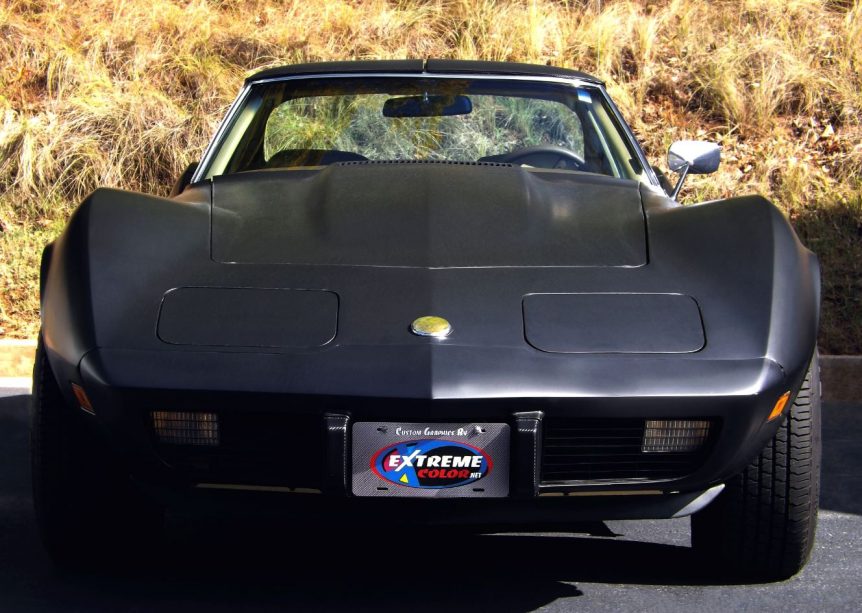
Why Color Change Wraps Are Replacing Paint Jobs
When an Atlanta driver wants to change the look of their vehicle, paint isn't the only option anymore — and for a growing number of people, it isn't even the best one. Color change wraps use the same automotive-grade vinyl that goes on commercial fleets and racing teams, applied to every painted panel of the car. The result is a complete color transformation that can be reversed years later, leaving the original paint underneath untouched.
We've watched this category quietly take over the personal vehicle market in Atlanta over the last few years. Drivers in Buckhead, Decatur, and Sandy Springs are pulling up to our shop with stock factory paint and leaving with finishes you can't order from a dealership — satin black, gloss midnight purple, brushed metallic, color-shifting chameleon flips. The reason has less to do with novelty and more to do with math.
The Real Cost Compared to a Quality Paint Job
A high-end automotive paint job from a reputable shop runs into serious money, and unless you're stripping the car to bare metal, the prep work to do it right is enormous. Color change wraps install over factory paint that's already in good condition. The vinyl protects what's underneath from stone chips, light scratches, sun fading, and the general abuse of Atlanta's interstates.
When you decide to sell the car, or you want a different color, the wrap comes off. The factory paint underneath is preserved — often in better shape than vehicles that have been daily-driven the same number of years uncovered. For owners who want to keep resale value intact, that detail alone tends to settle the conversation.
Finishes You Can't Get From the Factory
Manufacturers offer maybe a dozen color options on any given model. The vinyl manufacturers we work with collectively offer hundreds of finishes, including categories no paint can replicate. Satin and matte finishes that don't pick up swirl marks the way clear coat does. Brushed metallics that look like machined aluminum. Color-shift films that read differently depending on the angle of the sun.
This is part of why we see a lot of luxury and exotic owners around Atlanta choosing wraps. A pearl-white sports car becomes a satin gunmetal grey for a year, then gets pulled off in time for the original paint to be intact for resale. Some clients rotate looks the way other people change wheels.
What Actually Goes Into a Color Change Install
A proper color change isn't a one-day job, and that's worth understanding before you start calling shops. The vehicle has to be thoroughly washed and clay-barred to lift contaminants out of the clear coat. Panels need to come off — door handles, mirrors, emblems, trim — so vinyl can wrap into edges and creases rather than sitting on top of them. Bumpers often need partial disassembly to get clean tucks behind the body lines.
The vinyl itself is heat-formed around compound curves. A skilled installer is doing math in real time about how much the material can stretch in a given direction without distorting the texture or losing color saturation. Cut lines need to fall in places where the vehicle's natural seams hide them — a sloppy install shows seams across the middle of a panel where there should be no break at all.
Care, Longevity, and What to Expect
A quality color change wrap, professionally installed and reasonably maintained, holds up well for several years on a daily driver in Atlanta. Garage-kept vehicles last longer. Cars that sit baking in a Midtown parking deck or on a driveway in Brookhaven without shade will wear faster, especially on horizontal panels where UV exposure is most intense.
Hand washing is preferred. Touchless car washes are fine. Brush washes are not — the brushes can lift edges over time, especially on tightly wrapped trim. Wax isn't necessary, but specific vinyl-safe sealants exist and can extend the life of a satin or matte finish noticeably.
Partial Wraps and Accent Pieces
Not every project needs a full color change. Plenty of Atlanta clients come in wanting to blacken just the roof, the mirrors, and the trim — a partial wrap that completely changes the visual stance of the car without the cost or commitment of doing every panel. Carbon-fiber wraps on hoods. Gloss-black accent pieces on chrome that's started to pit. These accent jobs are some of our favorite work because the impact-to-cost ratio is high and the install moves quickly.
The Bottom Line for Atlanta Drivers
If you're choosing between a paint job and a wrap, the right answer depends on what you're trying to accomplish. If the goal is to permanently change the look of the car and you don't care about preserving the original, paint is paint and that's a fine choice. If you want to try something bold without commitment, protect the underlying paint, or open up finish options that the factory never offered, a color change wrap is the better tool for the job.
Our team has wrapped everything from daily-driven Hondas to track-built sports cars at our Atlanta shop. The conversation we have with every client starts the same way: what do you want this car to look like, and how long do you want it to look that way? Once we know that, we can talk about which films make sense, what kind of disassembly the project needs, and what the timeline actually looks like.
Ready to Get Started?
Contact Extreme Color today for vehicle wraps, signs, banners, and more.
Get a Free Quote