

Your Business Vehicle Needs a New Look — Now What?
You've been staring at that faded company truck for months. Maybe the color doesn't match your updated branding, or maybe you just bought a used fleet vehicle that needs to look like it belongs with the rest of your trucks. Either way, you need a color change — and you're weighing your options.
For most Atlanta business owners, the decision comes down to two choices: a full repaint or a color change vehicle wrap. Both get the job done, but they work in fundamentally different ways, and the right choice depends on what matters most to your business.
What Exactly Is a Color Change Wrap?
A color change wrap uses large sheets of premium vinyl film applied directly over your vehicle's existing paint. The vinyl is heated and stretched to conform to every curve, contour, and body line of the vehicle. When done properly, the result looks like a factory paint job — smooth, seamless, and completely covering the original color underneath.
Unlike a branded vehicle wrap that features logos and graphics, a color change wrap is all about transforming the base color of the vehicle. Think of it as giving your truck, van, or car an entirely new appearance without touching the original paint.
The vinyl itself comes in hundreds of colors and finishes — everything from gloss and matte to satin, metallic, and even textured options like carbon fiber or brushed metal. This means you can achieve looks with a wrap that would be extremely difficult or expensive to replicate with traditional paint.
The Paint Route: What to Expect
A professional automotive repaint is a serious undertaking. The vehicle needs to be disassembled — mirrors, trim, door handles, lights, and badges all come off. The existing paint gets sanded, primed, and prepped. Multiple coats of color go on, followed by clear coat, then everything needs to cure properly before reassembly.
For a quality paint job on a commercial vehicle, you're looking at the vehicle being out of service for a week or more. The shop needs a controlled spray booth environment, and the work requires skilled painters who understand how to match colors and lay down even coats without runs or orange peel texture.
Paint is permanent, which is both its strength and its limitation. A good paint job lasts the life of the vehicle, but if your branding changes or you want to sell the vehicle later, that custom color is there to stay.
Cost Comparison: Where Your Money Goes
This is usually the first question business owners ask, and the answer might surprise you. A high-quality color change wrap and a high-quality repaint can land in a similar price range for commercial vehicles. Budget paint jobs exist, of course, but they show their quality quickly — especially on work vehicles that take daily abuse in Atlanta traffic and weather.
The real cost difference shows up in what happens after the initial investment. With paint, any chips, scratches, or damage means a body shop visit for color-matched touch-ups or panel repaints. With vinyl, a damaged section can often be replaced individually without redoing the entire vehicle. That's a meaningful advantage for commercial vehicles that spend their days on job sites and busy metro Atlanta roads.
There's also the resale value angle. A wrap protects the original factory paint underneath, which stays in excellent condition for the life of the wrap. When it's time to sell or trade the vehicle, you remove the wrap and reveal that preserved original finish. A repainted vehicle, on the other hand, can actually lower resale value — buyers and dealers often view repaints with suspicion, wondering what damage the new paint might be hiding.
Durability in Atlanta's Climate
Atlanta's weather puts vehicle finishes through a real test. Hot summers with intense UV exposure, occasional hail, humidity, and everything from pollen season to construction zone debris — your vehicle's exterior takes a beating year-round.
Modern vinyl wrap films are engineered with UV inhibitors and protective laminates that resist fading and weathering. A properly installed and maintained color change wrap typically lasts five to seven years, depending on the specific film and how the vehicle is used. Vehicles that are garaged overnight and washed regularly tend to land on the longer end of that range.
Quality automotive paint with proper clear coat holds up well too, but it's more susceptible to rock chips and scratches that expose the layers underneath to moisture and oxidation. Once paint damage starts, it tends to spread if not addressed quickly — something that's easy to put off when you're running a business.
Turnaround Time and Business Disruption
For a business that depends on its vehicles, downtime matters. Every day a truck or van sits in a shop is a day it's not out generating revenue or representing your brand on Atlanta's roads.
A color change wrap installation is typically completed faster than a full repaint. There's no spraying, no curing time, no waiting for clear coat to harden. The vehicle comes in, the wrap goes on, and the vehicle goes back to work. A repaint requires significantly more time for proper preparation, application, curing, and reassembly.
For fleet operations especially, this time difference adds up. If you're wrapping five trucks instead of repainting them, the cumulative downtime savings can be substantial.
Flexibility and Future Changes
Here's where wraps really pull ahead for businesses that might evolve their branding. Rebranding with paint means going through the entire strip-sand-prime-paint process again. With a wrap, you remove the old film and apply new material in the updated color or finish.
This flexibility is particularly valuable for businesses in Atlanta's competitive market. If you merge with another company, update your logo colors, or simply want a fresh look after a few years, a wrap makes that transition much smoother and less expensive than a full repaint.
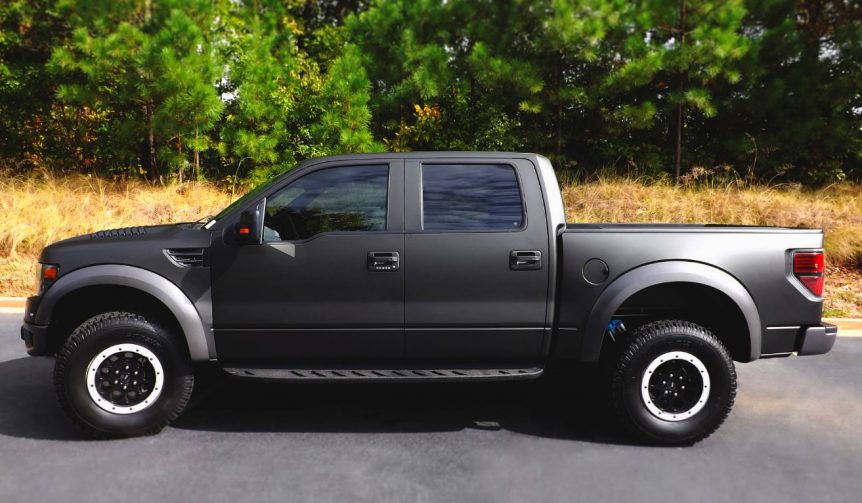
It also opens up possibilities that paint simply can't match. Want a matte black fleet? A satin navy blue? A color-shifting finish that looks different in direct sunlight versus shade? Vinyl wraps offer finishes that would cost a fortune to achieve with paint — if they could be achieved at all.
When Paint Still Makes Sense
Wraps aren't the right answer for every situation. If a vehicle has significant body damage, rust, or heavily deteriorated paint, those issues need to be addressed before a wrap can go on. Vinyl conforms to the surface underneath it, which means it will telegraph dents, deep scratches, and rough spots. In cases where major bodywork is already needed, combining that work with a repaint can sometimes be the more practical path.
Similarly, if you plan to keep a vehicle for its entire useful life and never change the color, a quality paint job's permanence becomes an advantage rather than a limitation.
Making the Right Call for Your Fleet
For most Atlanta businesses looking at a color change, vinyl wraps offer the better combination of cost efficiency, flexibility, reduced downtime, and paint preservation. The technology behind wrap films has advanced dramatically, and a professional installation is virtually indistinguishable from a paint job to the casual observer.
The key is working with an experienced shop that understands commercial vehicle applications. Color change wraps require precision — the film needs to be wrapped around edges, tucked into seams, and finished so that no original color shows through. It's detailed work that demands both skill and quality materials.
Whether you're refreshing a single service van or rebranding an entire fleet across metro Atlanta, understanding the real differences between wraps and paint helps you make a decision that serves your business for years to come.
Ready to Get Started?
Contact Extreme Color today for vehicle wraps, signs, banners, and more.
Get a Free Quote